
Understanding the effects of sugar on the brain can shed light on why individuals with alcohol use disorder often experience strong cravings for sugar. Understanding the psychological aspects of alcoholism and sugar cravings is crucial in breaking the cycle and promoting recovery. By addressing emotional regulation and finding alternative coping mechanisms, individuals can work towards a healthier relationship with sugar and alcohol. Many individuals struggling with alcoholism use alcohol as a means of coping with their emotions. Alcohol can temporarily provide a sense of relief or escape from negative emotions such as stress, anxiety, or depression.
The Pitfalls of Sugar as Substitutes for Alcohol Cravings
Alcohol consumption affects these pathways, leading to alterations in neurotransmitter release and sensitivity. This dysregulation can result in an increased desire for rewarding substances, including sugar. Research suggests that individuals with AUD may experience heightened sugar cravings as a result of these neurochemical changes. While alcoholism is a complex disease with many factors, there is a scientific reason behind this phenomenon.
The Treatment Process
Two key biological factors that play a significant role are the dopamine and reward pathways in the brain, as well as the impact alcohol has on brain chemistry. Nutrition plays a crucial part in the recovery process for individuals recovering from alcohol addiction. The link between food, mood, and cravings is increasingly being recognized in addiction treatment, with a focus on a holistic approach that addresses both the mind and body. Understanding the link between alcohol and sugar addiction is crucial in the field of addiction recovery and can shed light on the common query, ‘why do alcoholics crave sugar? By understanding the impact of sugar cravings on blood sugar control and recovery, individuals can make informed choices to support their health and well-being during the journey of alcohol recovery. Managing addiction cravings is crucial, as individuals might turn to sugary alternatives as coping mechanisms.
Why do people crave sugar when cutting alcohol?
- Understanding these impacts is crucial for individuals in recovery from alcohol addiction.
- This section will explore the relationship between blood sugar control and alcohol consumption, as well as the role of sugar cravings in alcohol recovery.
- Understanding the biological mechanisms behind sugar cravings in individuals with AUD can help inform strategies for managing those cravings and promoting healthier choices.
This can lead to various nutrient deficiencies, such as deficiencies in B vitamins, vitamin C, magnesium, and zinc. People with AUD often struggle with controlling their alcohol intake and may experience negative consequences in various areas of their lives, such as relationships, work, and health. Learn how to manage mental health during major life changes with effective strategies and coping mechanisms. The neurobiological pathways involved in drug addiction and “sugar addiction” share commonalities, suggesting overlapping mechanisms in the brain related to these addictive behaviors. Studies have shown that craving, tolerance, withdrawal, and sensitization can occur in both human and animal subjects in relation to sugar and drug dependence. This suggests that similar neural receptors, neurotransmitters, and hedonic regions in the brain are involved in both forms of addiction.
Does sugar neutralize alcohol effects?
In addition, consuming a balanced diet that is rich in essential nutrients can help support overall physical and mental health during recovery. Understanding the behavioral and psychological aspects of sugar cravings in alcoholics is crucial for addressing the complex relationship between alcohol dependence and the desire for sweets. By acknowledging these factors, individuals in recovery can develop strategies to manage their sugar cravings effectively and support their overall health and well-being. It’s not uncommon for individuals who once struggled with alcohol to turn to food in recovery, especially sugary foods.

Understanding the genetic and behavioral influences behind sugar cravings in alcoholics can shed light on the question of why do alcoholics crave sugar?. Various studies indicate a significant relationship between genetics and the propensity for sugar cravings, alongside learned behaviors influenced by familial environments. In addition to causing physical harm such as liver damage and increased risk for certain alcohol rehab cancers, alcoholism can also have devastating effects on relationships, finances and overall quality of life. Seeking treatment for alcohol addiction is crucial in order to achieve long-term recovery and improve overall well being. Besides increasing cravings, alcohol consumption affects blood sugar levels in multiple ways.

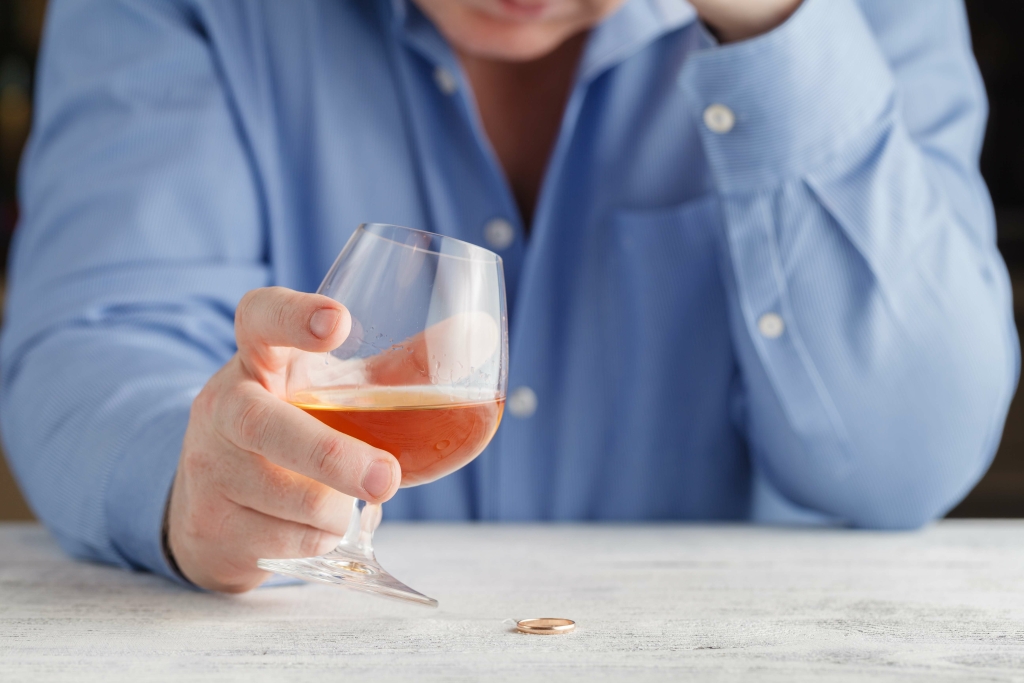
These include irritating the lining of your stomach, lowering your blood sugar, dehydrating your body, and clouding your coordination and judgment. It also boosts the production of stomach acid, which can make reflux or stomach discomfort worse. This is why people taking GLP-1 drugs often feel full faster, think about food less, and have do alcoholics crave sugar slower digestion. This is a good thing for your metabolism, but it also helps explain why alcohol may be affecting you in a different way than it used to.
- A study found that AUD patients who were advised to avoid sugar reported the highest abstinence rates compared to those instructed to consume a balanced diet or use sweets to cope with alcohol cravings.
- Sugar stimulates the pleasure center in the brain in a similar way to alcohol and drugs, impacting the same brain region and creating a rewarding feeling comparable to drugs such as cocaine.
- It’s a sophisticated survival strategy – you scratch the alcohol component, and the brain, not ready to forgo its sugar fix yet, shifts to craving sweets.
- These nutrient deficiencies can affect the body’s overall functioning and contribute to sugar cravings.
Alcohol puts individuals at risk for low blood sugar, a condition known as hypoglycemia, which can occur even during sleep. The desire for sugar often stems from the body’s need to replenish nutrients lost during drinking binges. Alcoholics tend to consume more alcohol than food, leading to deficiencies in essential vitamins and minerals.
Genetic Influence on Sweet Preference
Even if you indulge and give your body sugar to level out, it won’t solve the issue long term. Drinking enough water throughout the day helps maintain body functions, promotes proper digestion, and may substantially lessen your craving for sweets. Physical signals for thirst can sometimes mimic hunger, leading you to erroneously reach for a sugary snack when a glass of water might have https://ecosoberhouse.com/ sufficed. Additionally, maintaining a regular exercise routine can offset these cravings by reducing stress and helping regulate your hormones.